Letter H Bee Monograms: A Designer's Real-World Review
As a designer who has spent years testing embroidery files for both personal hobby projects and commercial small business lines, I approach every new download with a mix of excitement and skepticism. There is nothing quite like the thrill of finding a design that perfectly balances creativity with technical feasibility. Today, I am evaluating the Letter H Bee Monograms file to see if it truly delivers on its promise of blending typeface creativity with nature's delicacy. This review is not just about aesthetics; it is about how this specific design performs when stitched onto real materials, worn by customers, and displayed in a boutique setting.
First Impressions: Where Nature Meets Typography
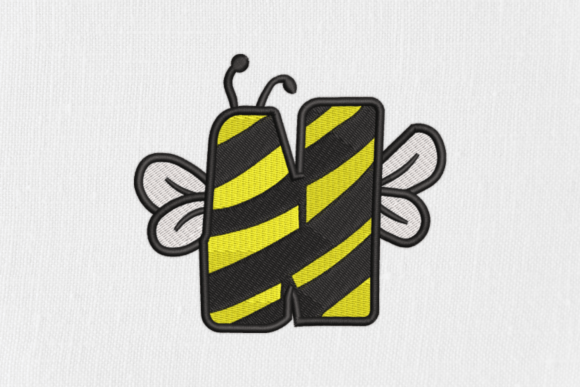
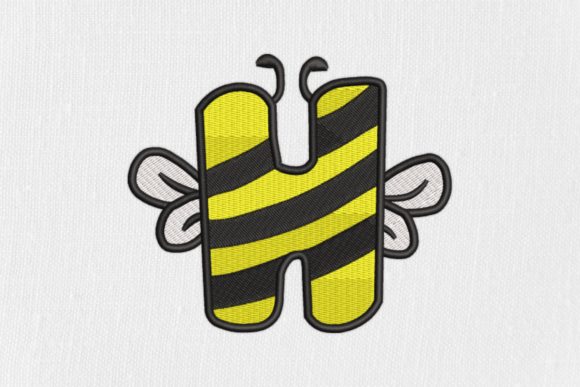
The moment you open the file, the visual personality of Letter H Bee Monograms stands out. It avoids the generic, blocky look of standard monogram files. Instead, it offers a playful yet sophisticated vibe that feels immediately suitable for modern handmade branding. The integration of the bee into the letter H is not an afterthought; it appears to be woven directly into the structure of the character. For a designer looking to create a cohesive brand identity, this kind of thoughtful composition is gold.
The mood created by this design is warm, inviting, and slightly whimsical. It suggests a brand that values craftsmanship and natural elements. Whether you are planning to stitch this onto a nursery wall hanging or a custom tote bag, the design sets a tone of care and attention to detail. It feels like a design that belongs in a curated Etsy shop or a high-end craft fair booth rather than a mass-produced discount store.
Real-World Application: From Sketch to Stitch
I recently put Letter H Bee Monograms to the test by preparing a custom embroidered tote bag for a client event. The goal was to create a personalized gift that felt unique without being overly complicated. When I loaded the machine, my first concern was always how the details would hold up under tension. The bee motif, which serves as the central accent, requires precise placement to avoid thread breaks or puckering.
In practice, the design performed admirably. The transition between the lettering and the insect element flowed naturally. I chose a soft sage green thread for the fabric and used golden yellow for the bee accents. The contrast was striking, making the finished product pop against the neutral canvas. This combination of colors highlights how versatile the file is for different aesthetic directions. It works beautifully for spring-themed events, baby showers, or even as a subtle logo on a kitchen towel.
Imagine taking this same design and applying it to a sweatshirt for a local running club or a boutique apparel line. The layout allows for a centered chest placement that looks professional and balanced. For an Etsy seller, this is exactly the kind of asset that drives engagement. Customers love seeing personalized items, and a design that incorporates a specific letter with a thematic element like a bee creates an instant connection. It tells a story before the customer even reads the description.
Technical Performance and Stitch Quality
When evaluating any machine embroidery design, stitch density and clarity are paramount. In the case of Letter H Bee Monograms, the balance between satin stitches for the outlines and fill stitches for the body seems well-calculated. However, the fine details of the bee wings and antennae require careful attention. If your machine is older or your tension settings are off, those delicate areas might suffer from thread bunching.
This is where proper preparation becomes non-negotiable. Using the correct stabilizer is critical, especially if you are working on stretchy fabrics like t-shirts or thin materials like tea towels. Without adequate backing, the pull of the threads can distort the shape of the letter H, ruining the symmetry that makes the design so appealing. I recommend hooping the fabric tightly and using a cut-away stabilizer for heavier garments like hoodies to ensure longevity.
For those interested in creating an embroidered patch, this design offers a great opportunity. The distinct shapes allow for clean edges, but you must ensure the outer border is sufficiently dense to prevent fraying during cutting. The design's natural borders make it ideal for iron-on patches that will withstand frequent washing.
Strategic Placement: Where to Use (and Where to Hesitate)
Letter H Bee Monograms is a powerhouse for various product categories. It shines on baby clothes, where the soft theme of a bee fits perfectly with nursery decor. It also elevates holiday gifts, adding a touch of seasonal charm to stockings or ornaments. For commercial embroidery projects, such as branding for a bakery or a floral shop, this design provides a level of professionalism that generic fonts cannot match.
However, there are scenarios where caution is required. Small hoop sizes can be tricky with designs that have intricate internal details. If you attempt to stitch this on a cap or a curved surface, the distortion of the curve might alter the proportions of the bee, making it look slightly off-center. Similarly, on dark fabrics, the visibility of light-colored threads depends heavily on the thread weight. You may need to adjust your thread colors or add a layer of underlay to ensure the design pops against the background.
Textured fabrics, such as heavy wool or chenille, present another challenge. The needle penetration required for the detailed stitching might struggle to find purchase, leading to skipped stitches. In these cases, it is often better to use a smoother fabric base or apply the design to a patch that is then sewn onto the textured item. Additionally, if you are producing products that require frequent industrial washing, you must verify that the stitch density is high enough to resist wear and tear over time.
Design Notes for the Professional Maker
Before you commit to a full production run or start selling personalized gifts featuring this design, follow these practical steps to ensure success. First, always test the embroidery file on scrap fabric that matches your final material. This simple step reveals potential issues with thread tension, fabric puckering, or color bleeding that you might miss on a digital mockup.
Review the stitch density closely. While the design looks beautiful on screen, the actual execution depends on how many stitches per inch are packed into the fill areas. If the density is too high, the fabric may become stiff and uncomfortable. If it is too low, the coverage might look sparse. Check whether the design includes necessary trims and jumps to minimize thread waste and machine downtime.
Color selection plays a massive role in the final appeal. Test your thread colors against both light and dark backgrounds. A golden bee on white fabric looks elegant, but the same bee on black might need a contrasting outline to maintain definition. Also, consider the licensing terms carefully. Before selling finished items or distributing the digital embroidery file as a product, confirm that you have the right to use it commercially. Some licenses restrict the number of units you can produce or prohibit resale of the file itself.
Final Verdict: A Valuable Asset for Creative Entrepreneurs
Ultimately, Letter H Bee Monograms is more than just a pretty image; it is a functional tool for designers and makers who want to elevate their work. It bridges the gap between artistic expression and technical precision. Whether you are crafting a one-off gift for a friend or building a scalable craft business, this design offers the flexibility to adapt to multiple mediums, from aprons to pillow covers.
Its ability to convey personality while maintaining structural integrity makes it a standout choice in the crowded world of monograms. By paying attention to the nuances of fabric choice, stabilizer application, and thread selection, you can turn this design into a flagship product that builds trust and recognition among your customers. For anyone looking to add a touch of nature-inspired elegance to their handmade products, this is a smart investment of time and resources.