Mr. Monogram: A Designer's Real-World Review
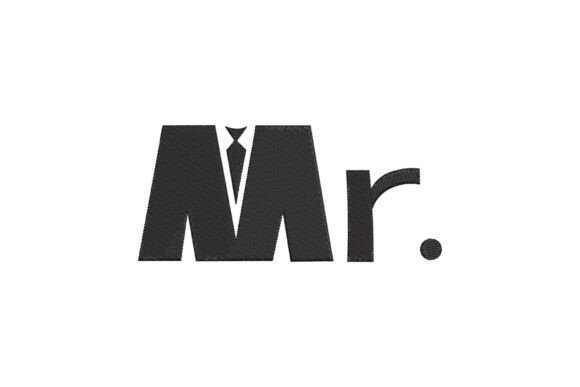
When I first opened the file for Mr. Monogram, my initial reaction wasn't about stitch counts or file formats; it was about the mood. In a sea of generic scripts and block letters, this design carries a distinct personality. It feels polished yet approachable, striking that delicate balance between a high-end boutique brand mark and a heartfelt, handmade gift. As someone who has spent years reviewing digital assets for both personal hobby projects and commercial small business lines, I know that the difference between a "nice" design and a "sellable" one often comes down to how well it translates from screen to fabric.
This machine embroidery design is positioned as an artistic piece suitable for elevating apparel, kitchen towels, or home décor. But does it hold up under the pressure of real-world stitching? I put it through a mental simulation of several common scenarios to see if it truly delivers on its promise of a professional finish.
The First Stitch: Visual Impact and Design Personality
The layout of Mr. Monogram suggests a design that thrives on clarity. Unlike some overly ornate monograms that lose definition when stitched in smaller hoop sizes, this piece appears to prioritize legibility without sacrificing style. The visual weight feels balanced, making it an excellent candidate for the center chest of a custom sweatshirt or the corner pocket of a tote bag. It creates an immediate sense of ownership and branding, which is crucial for anyone looking to sell finished goods.
The artistic flair implies that it will work exceptionally well as a wedding monogram. Imagine stitching this on a linen pillow cover for a bridal shower or a set of embroidered tea towels for a housewarming gift. The design has enough character to stand alone but remains elegant enough not to overpower the texture of the fabric. For crafters and Etsy sellers, this versatility is gold. It bridges the gap between a simple initial and a full-fledged logo, allowing you to offer personalized products that feel custom-made rather than mass-produced.
Real-World Application: From Tote Bags to Boutique Branding
Let's talk about practical application. I recently considered using this design for a batch of custom embroidered tote bags intended for a local craft fair. The goal was to create a cohesive look for a small shop selling handmade soaps and candles. Mr. Monogram fits this context perfectly. When placed on a sturdy canvas bag, the design would anchor the product, giving it a premium feel that justifies a higher price point.
However, the utility extends far beyond bags. For those specializing in custom apparel, this design is ideal for baby clothes or nursery decor. The soft curves and artistic nature make it gentle enough for infant wear while still being bold enough to be seen. If you are creating a line of holiday gifts, stitching this onto dark velvet or festive flannel could yield stunning results. The design's clean lines ensure that it won't get lost in the pattern of busy fabrics, provided you choose your thread colors wisely.
For commercial embroidery professionals, the value lies in consistency. A digital embroidery file that renders reliably across different machines and fabric types is essential for maintaining customer trust. Mr. Monogram appears to have a structure that supports this reliability, offering a finished product that looks as good on the tenth item as it does on the first. This consistency is what turns a hobbyist into a trusted business owner.
Where to Exercise Caution: Fabric and Size Limitations
Even the best designs have their limits, and knowing where to draw the line is part of being a responsible designer. While Mr. Monogram is versatile, there are specific situations where it might struggle. If you are working with very small hoop sizes, such as those used for hats or cuffs, you must carefully evaluate the scale. Dense areas of the design might merge together if the resolution isn't high enough for the specific garment size.
Textured fabrics present another challenge. While the design looks great on smooth cottons or linens, applying it to highly textured materials like chunky knits or heavy bouclé can obscure the details. Similarly, thin or stretchy fabrics require extra attention. Without proper stabilization, the tension of the stitches could cause the fabric to pucker, ruining the aesthetic of the embroidery project.
Dense stitch areas are also worth noting. If the design relies heavily on fill stitches to create its shape, it may become too stiff for certain applications, like a lightweight summer shirt or a flexible apron. For curved surfaces like caps, the curvature of the hat can distort the perspective of the monogram if the digitizing doesn't account for the curve. Always test these variables before committing to a large production run.
Stitch Density, Color Contrast, and Professional Finish
The success of any embroidery file often hinges on the interplay between stitch density and thread color. With Mr. Monogram, the choice of thread is critical. On light fabrics, darker threads will provide the necessary contrast to make the design pop, whereas on dark backgrounds, lighter or metallic threads might be needed to maintain visibility. I recommend creating printable mockups in black and white first to check the contrast ratio before cutting expensive fabric.
Stitch density plays a huge role in the tactile quality of the final piece. If the density is too high, the fabric becomes rigid and uncomfortable. If it is too low, the underlying material might show through, giving a cheap appearance. Since exact specifications aren't always listed in the product description, it is vital to inspect the file in your digitizing software. Look at the satin stitch columns and fill patterns to ensure they align logically with the grain of the fabric you intend to use.
For those selling handmade products, the presentation matters. A well-executed monogram signals professionalism and care. Customers are more likely to trust a brand that pays attention to the details of their finished goods. Mr. Monogram, when executed correctly, enhances the perceived value of the item, making it a worthy investment for a client's special occasion or a cherished family heirloom.
Essential Notes for the Practical Designer
Before you download and start stitching, here are a few non-negotiable steps to ensure your project succeeds:
- Test on Scrap Fabric: Never commit to a final piece without running a test on a scrap of the same material. This reveals potential issues with puckering, thread breaks, or tension problems.
- Check Stabilizer Needs: Ensure you have the right stabilizer for your fabric type. Heavy-duty items need heavy stabilizers, while delicate fabrics require something lighter to prevent distortion.
- Verify Licensing: If you plan to sell finished items featuring Mr. Monogram, confirm the commercial license terms. Some designs allow for unlimited sales, while others restrict the number of units or require a separate commercial certificate.
- Review File Formats: Make sure the file format matches your machine's capabilities. Compatibility issues can lead to frustrating errors mid-stitch.
- Inspect Small Details: Zoom in on the design to check for tiny elements that might get lost during stitching. Sometimes, what looks perfect on screen needs slight adjustment for physical reality.
In conclusion, Mr. Monogram offers a strong foundation for a wide range of creative endeavors. Whether you are an Etsy seller looking to expand your catalog, a crafter preparing a unique wedding gift, or a small business owner building a brand identity, this design provides the artistic edge needed to stand out. By approaching it with a critical eye regarding fabric choice, stabilization, and testing, you can transform this digital asset into a tangible masterpiece that delights customers and elevates your craft.