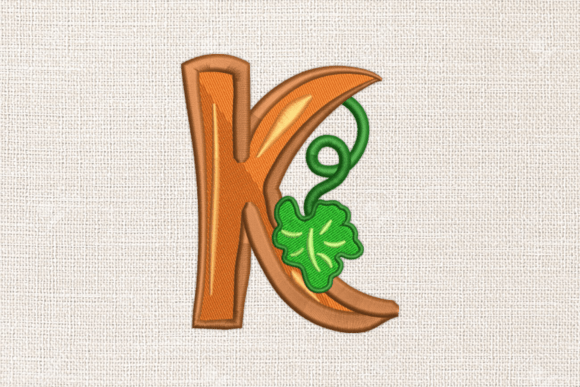
Letter G Autumn Monograms: A Designer's Review
As an experienced embroidery designer preparing for a weekend craft fair, I spend hours evaluating digital assets before they ever touch a machine. When I first opened the Letter G Autumn Monograms, my immediate reaction was one of seasonal warmth and potential. The description promises to "immerse you in the warm hues of the season," and visually, it delivers exactly that promise. It strikes a perfect balance between traditional craftsmanship and a modern aesthetic, making it a standout piece for any handmade market booth.
First Impressions: Farmhouse Meets Modern Elegance
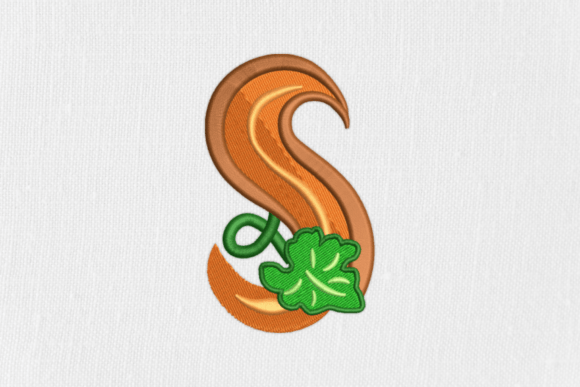
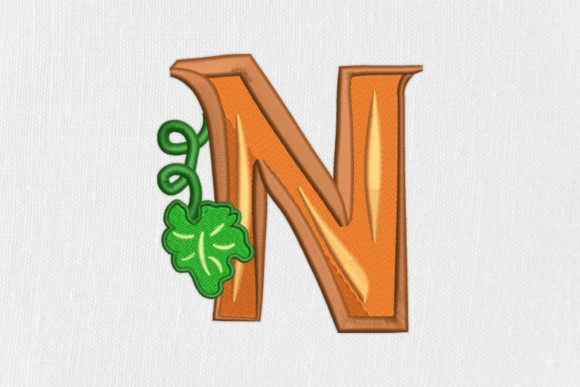
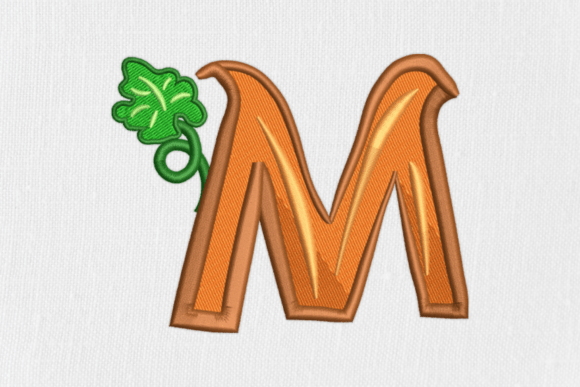
The design exudes a rustic yet sophisticated charm. It feels less like a generic clipart and more like a curated piece of art suitable for high-end boutique items. The letter G itself appears bold enough to be seen from across a crowded aisle but delicate enough to maintain its elegance on smaller goods. This duality is crucial for crafter entrepreneurs who need designs that work on both large statement pieces and subtle accessories.
In the context of a craft fair display, this monogram stands out because it taps into the popular autumn trend without feeling overdone. It has a premium feel that suggests quality, which is essential when you are trying to justify higher price points for your handmade products. Whether you are selling to Etsy shoppers or walking customers at a local market, the visual appeal of Letter G Autumn Monograms immediately signals a thoughtful, handcrafted item.
Product Potential: Where Does This Design Shine?
When planning my booth table, I visualize where this design would perform best. It is incredibly versatile, but certain categories offer higher profit margins and better visual impact.
- Tote Bag Design: This is arguably the strongest application. A large, centered embroidered patch or direct stitch on canvas tote bags allows the design to breathe. The contrast against natural burlap or deep fall colors creates a striking focal point that stops passersby in their tracks.
- Apron Embroidery: For the home cook demographic, placing the Letter G Autumn Monograms on a linen apron adds a personal touch. It transforms a utilitarian kitchen tool into a giftable luxury item.
- Tea Towel Embroidery: Kitchen towels are a staple for craft fairs. The design works beautifully as a corner accent or a central feature. However, the texture of the towel must be considered to ensure the stitches lay flat.
- Embroidered Patch: Creating a standalone patch with a sew-on backing offers flexibility. Customers can buy the patch to apply themselves or purchase pre-attached versions on hats or jackets.
- Caps and Small Pouches: On curved surfaces like baseball caps, the letter G needs to be legible. If the curve is too severe, the design might distort. Similarly, small fabric pouches require careful scaling to avoid losing detail.
Visual Appeal and Customer Engagement
A successful craft fair product relies on instant recognition. From a distance, the Letter G Autumn Monograms should read clearly as a stylish initial. Close up, the stitching density and thread choices reveal the quality of the work. This design is photogenic, meaning it will perform exceptionally well in printable mockups for your online listings. When a customer sees a crisp image of the monogram on a pillow cover or market bag, they can easily imagine it in their own home.
The design enhances brand consistency for Etsy sellers and small shop owners. By using a cohesive set of autumn-themed monograms, you create a recognizable collection. This encourages buyers to purchase multiple items, such as a matching set of tea towels and a tote bag, increasing your average order value.
Practical Production and Selling Points
From a production standpoint, efficiency is key for commercial embroidery. Is this design repeatable? Yes. The clean lines and balanced spacing suggest it can be digitized efficiently for batch production. You can run a long sequence of identical items without frequent re-hooping issues, provided the stabilizer is chosen correctly.
However, there are practical considerations for the machine embroidery design process. The design likely features dense stitch areas to achieve the "modern twist" mentioned in the description. High stitch density can sometimes cause puckering if the fabric isn't stabilized properly. It is vital to test the design on scrap fabric to ensure the tension holds up under pressure.
For those selling digital embroidery files, clarity is paramount. The design must remain sharp even when scaled down slightly for smaller items like patches. If the details are too tiny, they may disappear on textured fabrics like heavy cotton or denim.
Careful Use Notes: Avoiding Common Pitfalls
Before committing to a full run of inventory, consider these potential challenges associated with Letter G Autumn Monograms:
- Dense Stitch Areas: Check the center of the letter G. If the fill is too tight, it may create a stiff area on the finished product, particularly on soft items like pillow covers.
- Small Lettering Details: Ensure the serifs or decorative elements of the G are not so fine that they snag or break during washing.
- Dark Fabric: While the design looks great on light backgrounds, running it on dark fabric requires a high-quality underlay and potentially white or light-colored thread to pop. Always verify the thread count needed for coverage.
- Curved Cap Surfaces: Embroidery on caps often requires specific hat hoops. The curvature can stretch the fabric, distorting the letter if the design isn't adjusted for the dome shape.
- Fabric Texture: Highly textured towels or boucle fabrics can hide the definition of the stitches. Smooth cottons or linens are generally safer bets for maintaining clarity.
Designer's Checklist for Success
To ensure your finished product meets professional standards, follow these steps before hitting the sale floor:
- Test on Scrap Fabric: Never skip this step. Run the design on the exact type of fabric you plan to sell to check for puckering or distortion.
- Check Thread Contrast: Ensure the thread colors provide enough contrast against your base material. Warm autumn tones like rust, gold, and olive look stunning on cream or navy, but may get lost on brown or black.
- Review Spacing and Hoop Size: Confirm that your hoop size accommodates the design dimensions comfortably. Leaving enough margin around the edges prevents the design from being cut off or looking cramped.
- Inspect Stitch Density: Look closely at the file to see how the stitches overlap. Too much density can make the fabric rigid; too little can leave gaps.
- Use the Right Stabilizer: Heavy designs on lightweight fabric require tear-away or cut-away stabilizers. Matching the stabilizer weight to the garment weight is critical for durability.
- Create Real Mockups: Don't rely solely on digital renders. Sew at least one real sample to photograph for your Etsy seller listing. Real photos build trust.
- Confirm Commercial Licensing: Before selling commercial embroidery products, double-check the license terms included with the download. Ensure you have the right to sell physical items made from the design.
The Letter G Autumn Monograms is a powerful asset for any creative entrepreneur. It combines the nostalgic appeal of fall with the precision of modern embroidery. By understanding its strengths and respecting its technical requirements, you can turn this single design into a best-selling line of small shop products that customers love to buy and cherish for years.