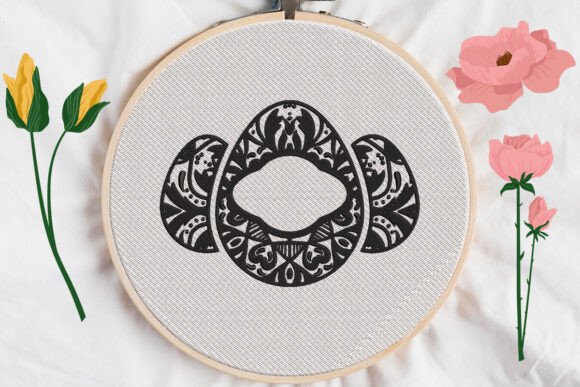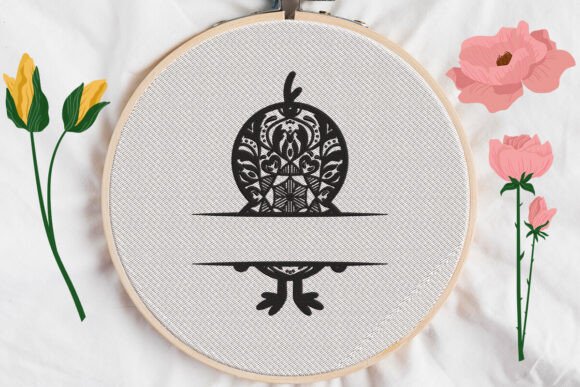
Chicken Split Monogram: Farm, Easter Review
As an experienced embroidery designer who has spent years crafting assets for small business merchandise and branded patches, I approach every new file with a critical eye. The market is saturated with generic clip art, but finding a machine embroidery design that balances rustic charm with professional polish is rare. Today, I am reviewing the "Chicken Split Monogram, Farm, Easter" design to determine if it holds up under the scrutiny of commercial production. This isn't just about making something look cute; it is about evaluating whether this embroidery file can elevate a brand's identity, withstand the rigors of frequent washing, and deliver value to customers.
First Impressions: Personality and Visual Fit
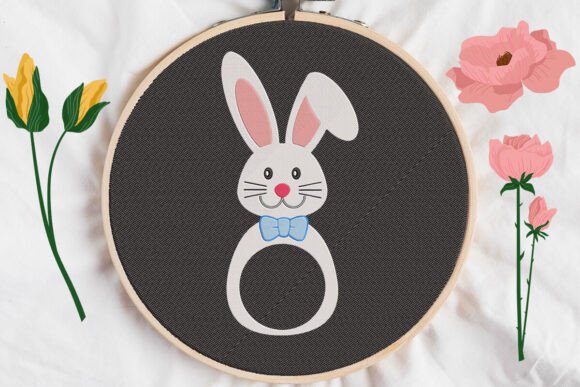
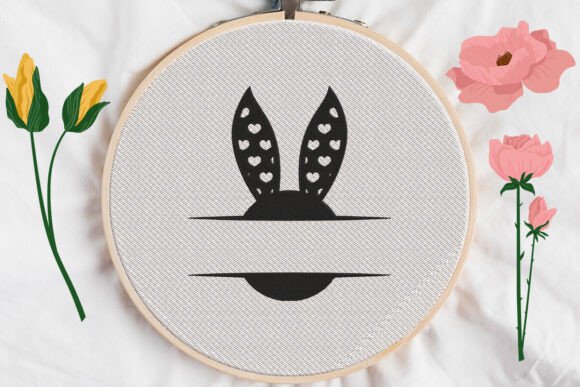
The moment you open the digital preview of Chicken Split Monogram, Farm, Easter, the aesthetic is immediately clear. It strikes a delightful balance between playful and polished. The concept of a split monogram frame surrounding a chicken figure suggests a design that is both structured and whimsical. For a small business owner, this is crucial because the visual personality must align with their brand voice.
This design feels distinctly handmade yet premium. It avoids the overly rigid look of corporate vector graphics while maintaining enough definition to be legible at various scales. Whether used for a boutique bakery, a local florist, or a creative studio, the farm-themed elements provide a warm, inviting atmosphere. It is not merely decorative; it communicates a story of craftsmanship and approachability. When placed on a product, it signals to the customer that the brand cares about details, which is a key driver of brand identity and customer trust.
Real-World Application for Small Business Merch
In my review of how this design performs in actual production, I see immense potential across multiple categories of small business merch. The versatility of the split monogram format makes it adaptable for almost any textile application where a logo or accent mark is needed.
- Embroidered Patches: One of the most popular uses for this asset is creating custom embroidered patches. The distinct outline of the chicken and the monogram frame allows for clean edges when cut out. These patches can be ironed or sewn onto denim jackets, canvas tote bags, or work shirts, instantly transforming plain apparel into branded gear.
- Staff Uniforms and Aprons: For cafes, bakeries, or farm-to-table restaurants, this design serves as an excellent chest logo accent. On a white or cream apron, the contrast creates a focal point that looks professional. It humanizes the staff, making them appear friendly and part of a cohesive team.
- Cap Embroidery: The compact nature of the split monogram works well on the front panel of caps. However, the curvature of the hat requires careful digitization to ensure the text remains readable. If executed correctly, it becomes a signature detail that fans will recognize from a distance.
- Tote Bag Design: A tote bag design featuring this motif is perfect for farmers markets or craft fairs. It acts as a walking advertisement for the business. The farm theme resonates strongly with eco-conscious consumers who appreciate sustainable materials and handmade aesthetics.
- Product Packaging Accents: Beyond apparel, this digital embroidery file can be used on fabric tags attached to clothing or gift boxes. Adding a small version of the chicken monogram to packaging elevates the unboxing experience, turning a simple transaction into a memorable event.
Strategic Considerations and Limitations
While the design is charming, a professional must know where to exercise caution. Not every surface is suitable for every stitch pattern. When planning to use Chicken Split Monogram, Farm, Easter for commercial projects, there are specific areas where the design might struggle.
Small Patch Sizes: If you attempt to reduce this design to a very small size (under 2 inches), the intricate details of the chicken feathers and the split letters may merge together. At this scale, the design loses its clarity and begins to look like a blob rather than a defined image. Always test the minimum viable size before mass production.
Curved Surfaces and Cap Fronts: Embroidering on curved surfaces like baseball caps requires a high degree of skill. If the hoop size is not appropriate or the stabilizer is insufficient, the tension can distort the monogram frame, making the text difficult to read. The split design relies on symmetry; if the curve pulls one side tighter than the other, the visual balance is lost.
Fabric Texture and Color: The design features detailed outlines that may get lost on highly textured fabrics like heavy tweed or thick fleece. Additionally, on dark uniforms, the thread colors need to be chosen carefully. Without proper underlay or high-contrast threads, the chicken figure might disappear into the background. For items that require frequent industrial washing, high stitch density is essential to prevent pilling or fraying, so verify the density settings of the file.
Impact on Brand Identity and Customer Engagement
Using a cohesive set of design assets like this helps build a recognizable brand identity. When a customer sees the same Chicken Split Monogram on a tote bag, a cap, and a product label, it reinforces memory and recognition. This visual consistency builds professionalism and perceived value. A customer is more likely to trust a brand that presents itself with high-quality, consistent branding.
Furthermore, the playful nature of the chicken motif encourages engagement. In the era of social media, unique and cute designs are often shared by customers, providing free marketing for the business. A well-executed custom apparel piece featuring this design can become a conversation starter, driving foot traffic and online sales.
Practical Designer Notes for Production
Before committing to a full run of commercial embroidery projects, I recommend following these practical steps to ensure success:
- Test in Black and White: Create a grayscale mockup first. This ensures that the contrast levels are sufficient and that the design reads clearly without relying on color.
- Check Stitch Density: Review the file to ensure the stitch count is appropriate for the intended fabric. Too much density on light fabric can cause puckering, while too little on heavy fabric can lead to poor coverage.
- Verify Thread Colors: Select thread colors that complement your brand palette. Ensure there is enough contrast between the chicken, the frame, and the background fabric.
- Inspect Spacing: Look closely at the spacing between the split letters and the chicken. Tight kerning can cause issues during stitching, leading to breaks or misalignment.
- Confirm Hoop Size: Ensure the design fits within the standard hoop sizes available in your shop. Large designs may require multi-hooping, which increases labor time and cost.
- Use Proper Stabilizer: Always match the stabilizer type to the fabric weight. For stretchy knits, a cut-away stabilizer is usually necessary to maintain the shape of the finished product.
- Create a Printable Mockup: Before sending anything to the machine, generate a printable mockup to show clients. This manages expectations and allows for approval before production begins.
- Compare Side-by-Side: Place this design next to your existing logo or other design assets to ensure they share a similar visual weight and style.
- Review Commercial Licensing: Finally, confirm the licensing terms of the embroidery file. Ensure you have the right to use the design for resale and commercial purposes, especially if you plan to sell items featuring this artwork.
By treating this review as a blueprint for quality control, small business owners can leverage Chicken Split Monogram, Farm, Easter to create high-end, professional merchandise. Whether for Easter promotions or year-round farm-themed branding, this design offers a versatile tool for enhancing your product line. With the right execution, it transforms from a simple digital file into a powerful element of your brand's visual language.